Sun Hits Panels
Photovoltaic cells in each panel absorb sunlight and generate direct current (DC) electricity.
Solar · Battery · Energy Monitoring
New England utility rates have risen 200% in 15 years — and they're not slowing down. Solar isn't a luxury anymore. It's a math problem with an obvious answer for thousands of homes. Let us show you whether yours is one of them.
How Solar Actually Works
Solar isn't magic. It's a series of well-understood physical processes. Here's exactly what happens between the sun hitting your roof and the lights coming on inside your home.
Photovoltaic cells in each panel absorb sunlight and generate direct current (DC) electricity.
A hybrid inverter changes DC into the AC electricity your home runs on — and can charge a battery in the process.
Electricity flows directly to your appliances first. Your home uses what you produce in real-time — no waste.
Excess production charges your battery or exports to the grid — your meter actually runs backward, crediting your account.
Why Solar in New England
It's not your imagination. New England has some of the highest and fastest-rising electricity costs in the country — and the curve is steepening, not flattening.
It's not a one-time hike. Supply, delivery, transmission, and policy charges all rise independently — and each compounds yearly.
When the grid is stressed, supply rates can triple. Without solar+battery, you pay peak rates exactly when you can least afford to.
Spoiled food, hotel stays, ruined work. New England averages 7+ hours of outage per home per year — and it's getting worse with storm frequency.
The Real Math
Solar isn't about being "green." It's about replacing a rising, unpredictable expense (utility) with a fixed, predictable one (solar). Here's what 20 years looks like for an average New England home.
Average New England home today pays ~$220/month for electricity. At 7% annual rate increases, that compounds aggressively over 20 years.
A right-sized solar system at $185/month financing payment, with the system fully paid off in year 12. Years 13–25 are essentially free electricity.
Math is illustrative based on typical New England home · Your specific numbers depend on roof, usage, and rate · Free review provides your actual figures
Battery Storage
Modern home batteries do three things a generator can't: load-shift (store cheap energy, use it during expensive hours), backup essential circuits during outages (silently, automatically), and arbitrage utility rates to save you money every single month.
Net Metering Explained
When your solar system produces more electricity than your home is using, the excess flows back to the grid — and the utility credits your account for it. Most New England utilities offer net metering, which means a 1-for-1 retail credit for every kWh you export.
Equipment Partners
We install only the most reliable, time-tested equipment in solar. Brands you've heard of — for a reason.
Our Solar Process
Five clear steps. No pressure. We do the technical work; you make the decisions.
15-minute call. We look at your usage, your bills, and your goals. No pressure, no commitment.
On-site visit. We measure your roof, check shading, evaluate panel orientation, and verify electrical capacity.
System designed around your home. Production estimate, financing options, and honest payback projections.
Most residential systems installed in 1–2 days. Permits, inspections, and utility paperwork all handled.
Utility approves interconnection. Real-time monitoring app shows production, usage, and savings.
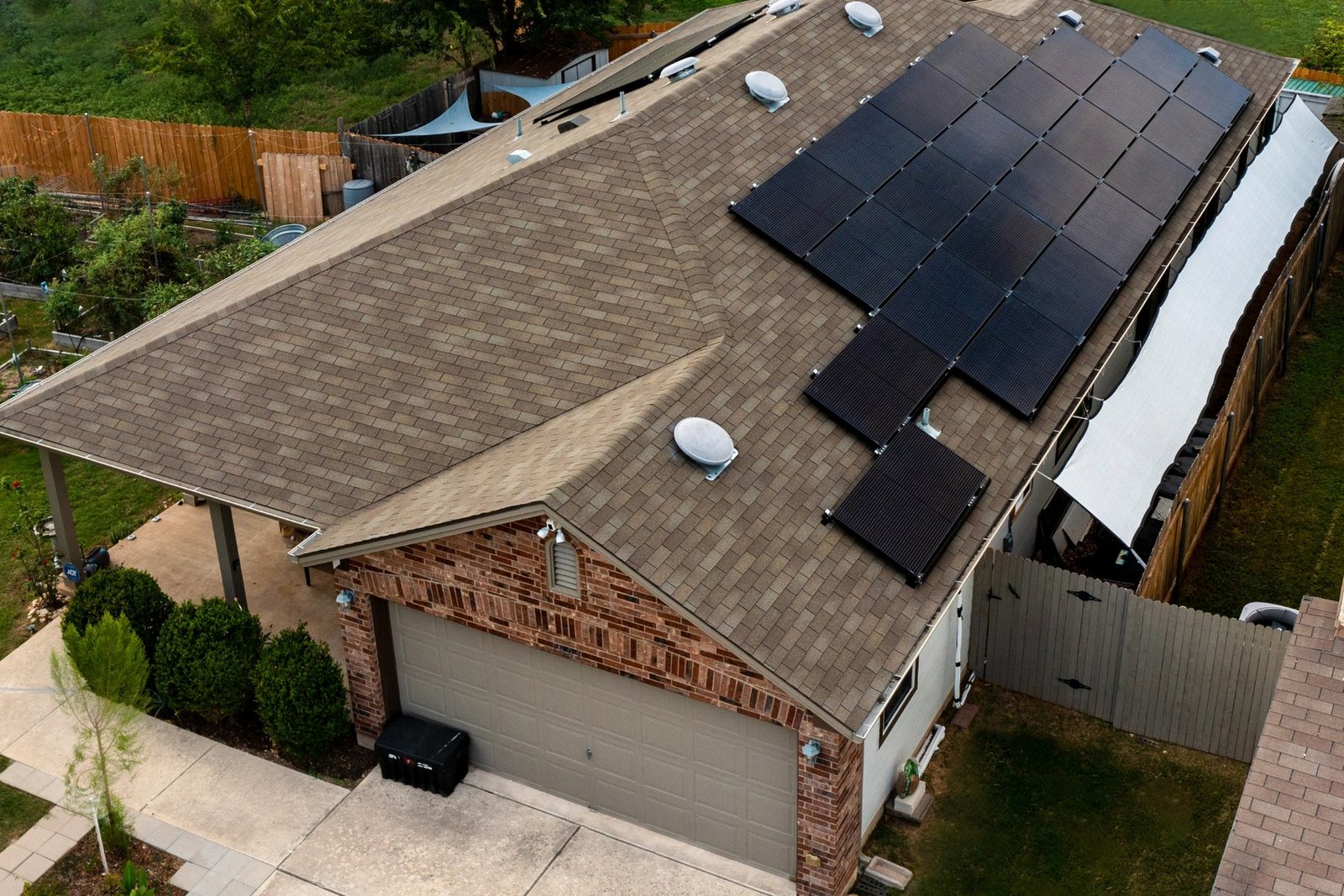
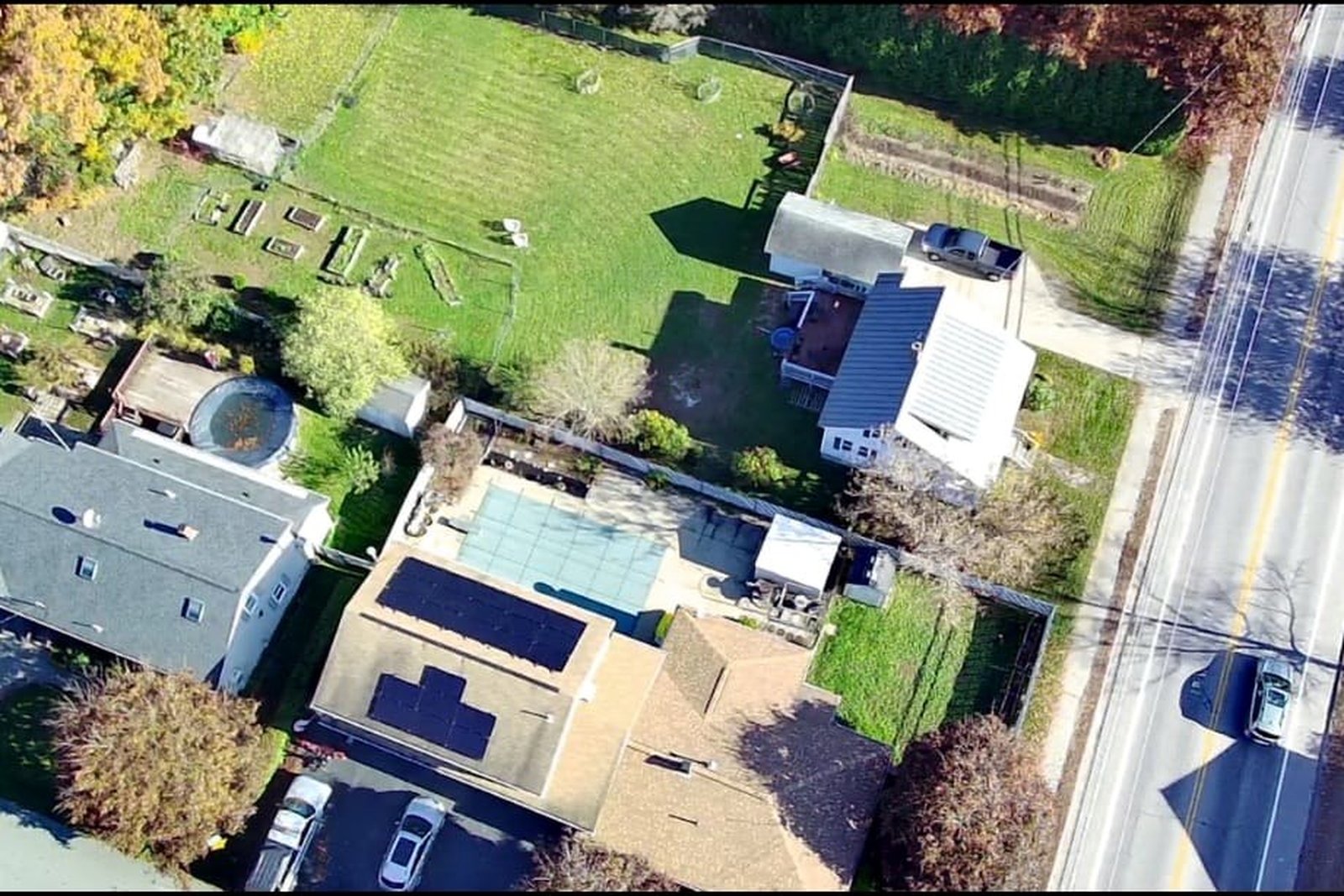
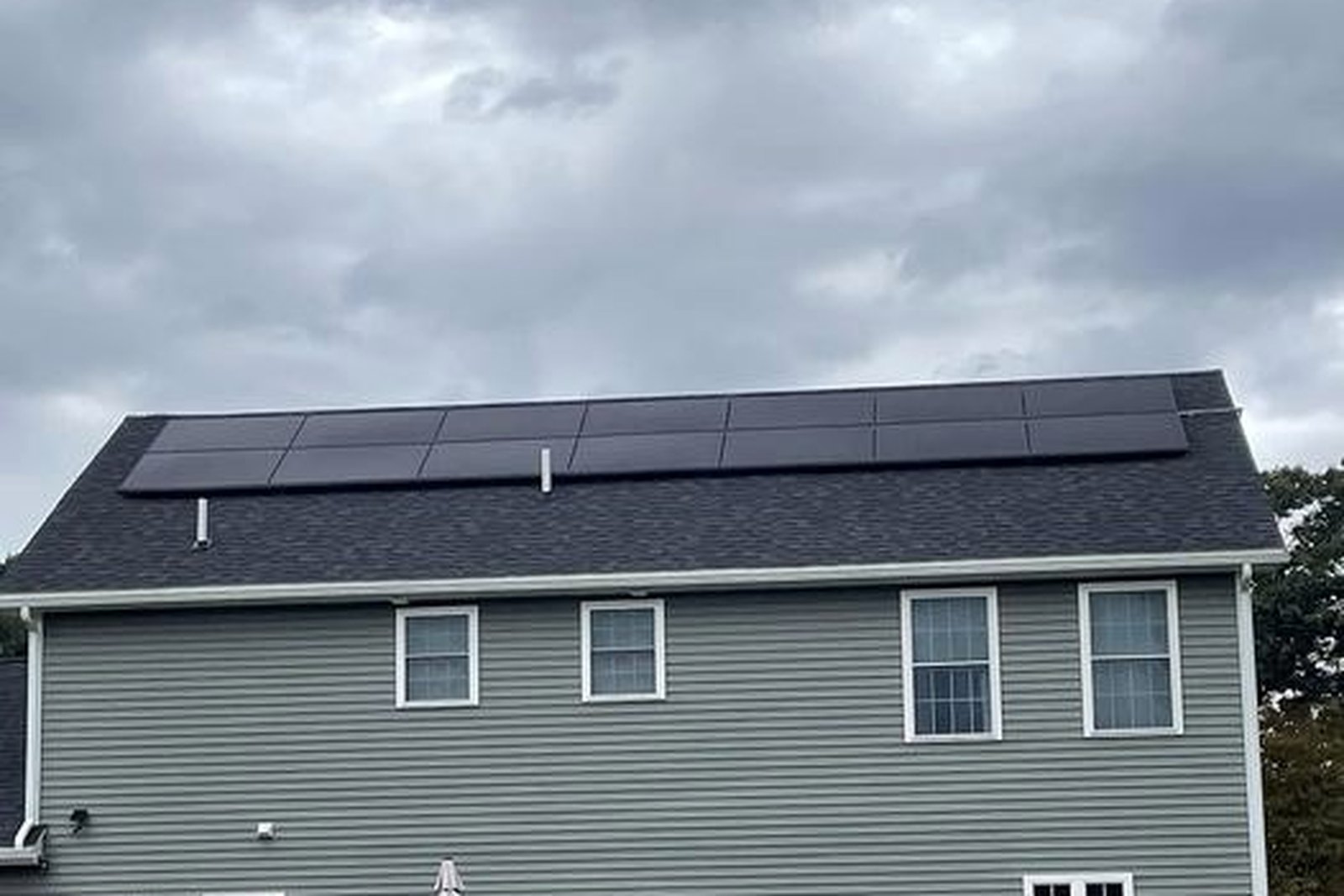
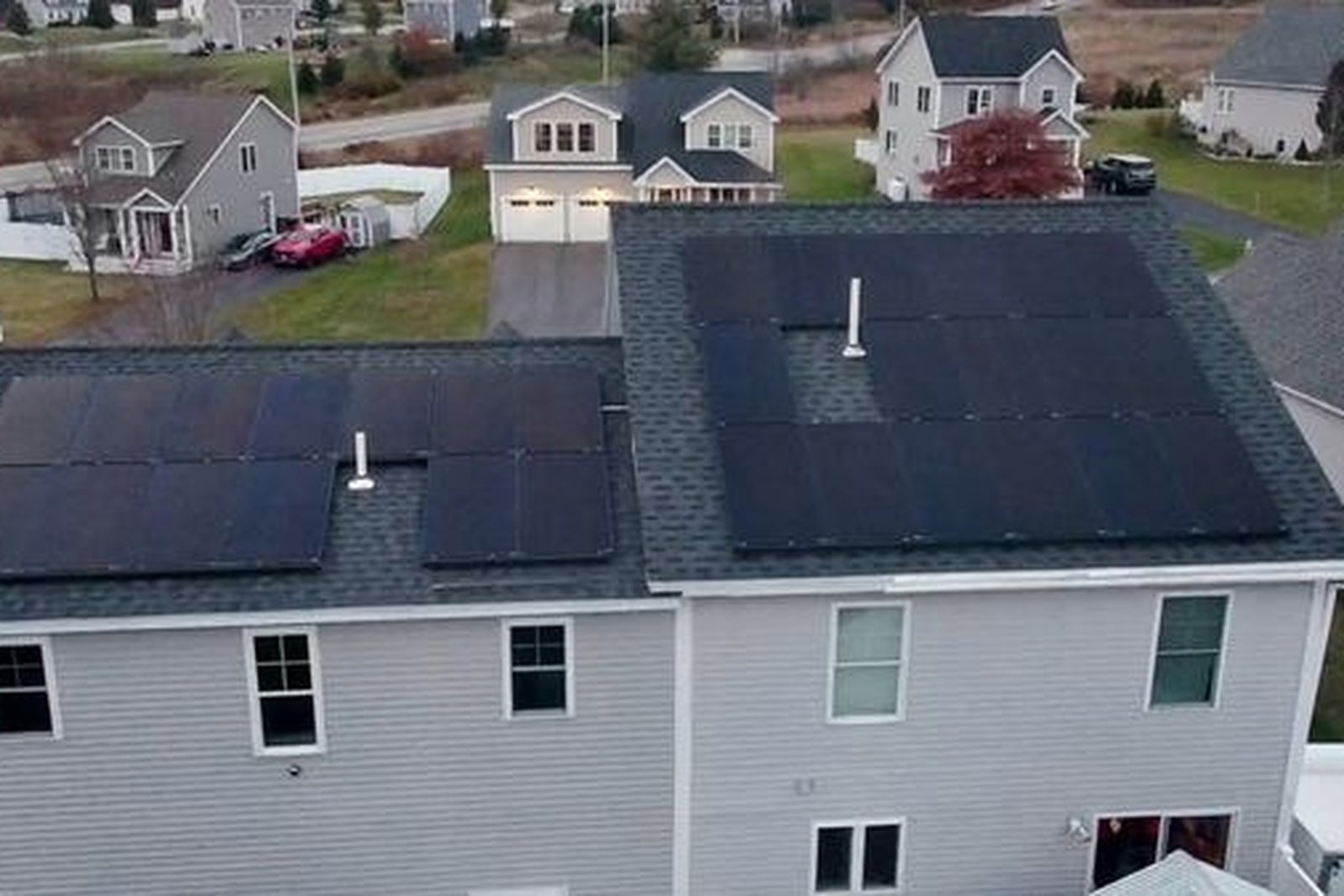
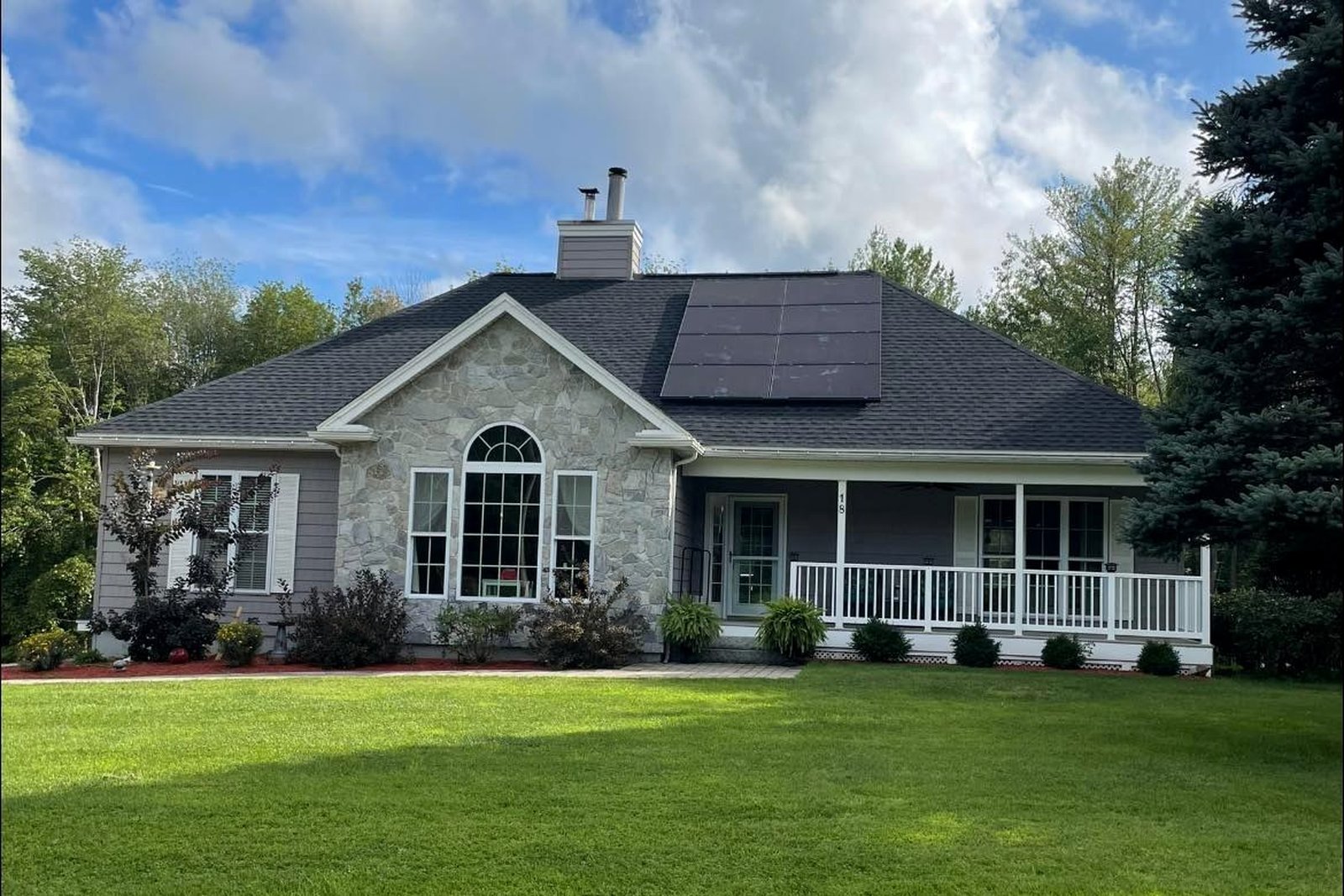
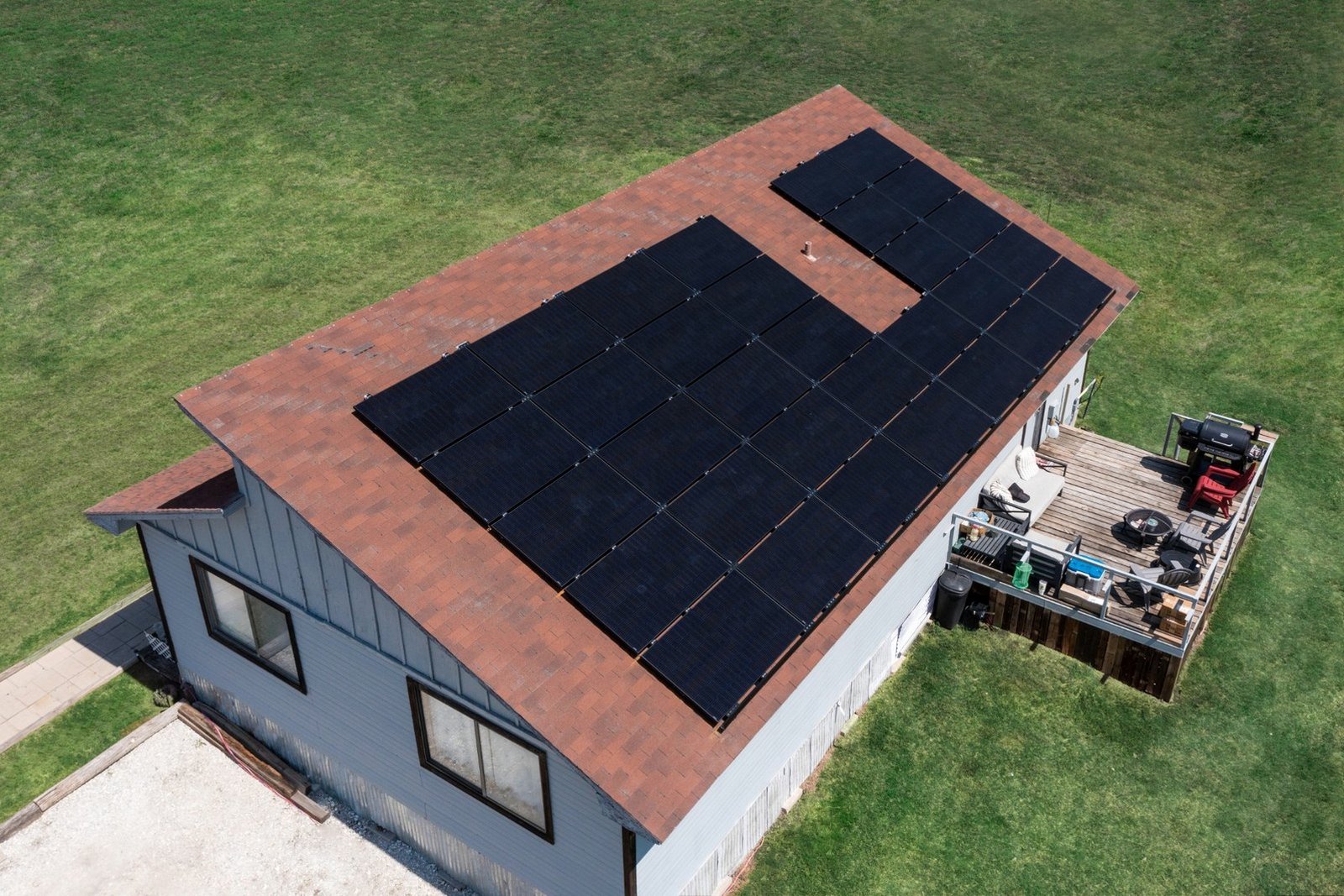
Recent Solar Projects
Every system is custom-designed for the home and verified by post-install production tracking.
Solar FAQ
Most residential systems run $18,000–$35,000 before incentives, depending on size. After the 30% federal tax credit and state incentives, net cost is typically $12,000–$24,000. Financing options bring monthly payments to roughly what you're already paying on your electric bill.
Most south, east, and west-facing roofs work well. Heavy shading drops production but doesn't eliminate it — we use microinverters or optimizers to mitigate shade impact. The free site assessment tells you definitively whether your roof is a good candidate.
Average payback in New England is 7–12 years depending on your utility rate, system size, and shading. After payback, the system continues producing for another 13–18+ years — essentially free electricity for the back half of the system's life.
If your roof has fewer than 10–12 years of useful life remaining, almost always yes — and we'll tell you honestly. Removing and reinstalling a solar array later costs $4,000–$8,000. We can do roof first, solar second — or bundle them together for a discount.
Not necessarily. Solar without battery still saves money via net metering. A battery makes sense if you want outage backup, you have time-of-use rates with high peak charges, or you want maximum self-consumption. We'll show you the math both ways.
Without a battery, your solar system automatically shuts off during outages (for utility worker safety). With a battery, your backup circuits keep running silently — typically lights, fridge, internet, and a few critical outlets, for 8–24+ hours depending on size.
Tier-1 panels carry 25-year production warranties. Enphase microinverters carry 25-year warranties. Tesla Powerwall carries 10-year. Plus our own 10-year workmanship warranty on the install itself.
Free Solar Review
15-minute call. No commitment. We'll review your bill, your roof, and your usage — and tell you whether solar is right for your specific home. If it's not, we'll tell you that too.
Free Solar Review
Share your details and we'll review your roof, your usage, and your utility rate exposure. We'll tell you honestly whether solar pencils out for your home — with real numbers, not a sales pitch.