Curling & Lifting Shingles
Wind-driven rain finds the gap between curled shingles and the underlayment. From the ground it looks fine. From above, the seal strip has already failed.
Premier Roofing · GAF Golden Pledge®
Premium ice & water shield. Synthetic underlayment. High-flow ridge ventilation. Architectural shingles with 130-mph wind rating. Standard on every roof we install — backed by a 25-year workmanship warranty.
Anatomy of a Premium Roof
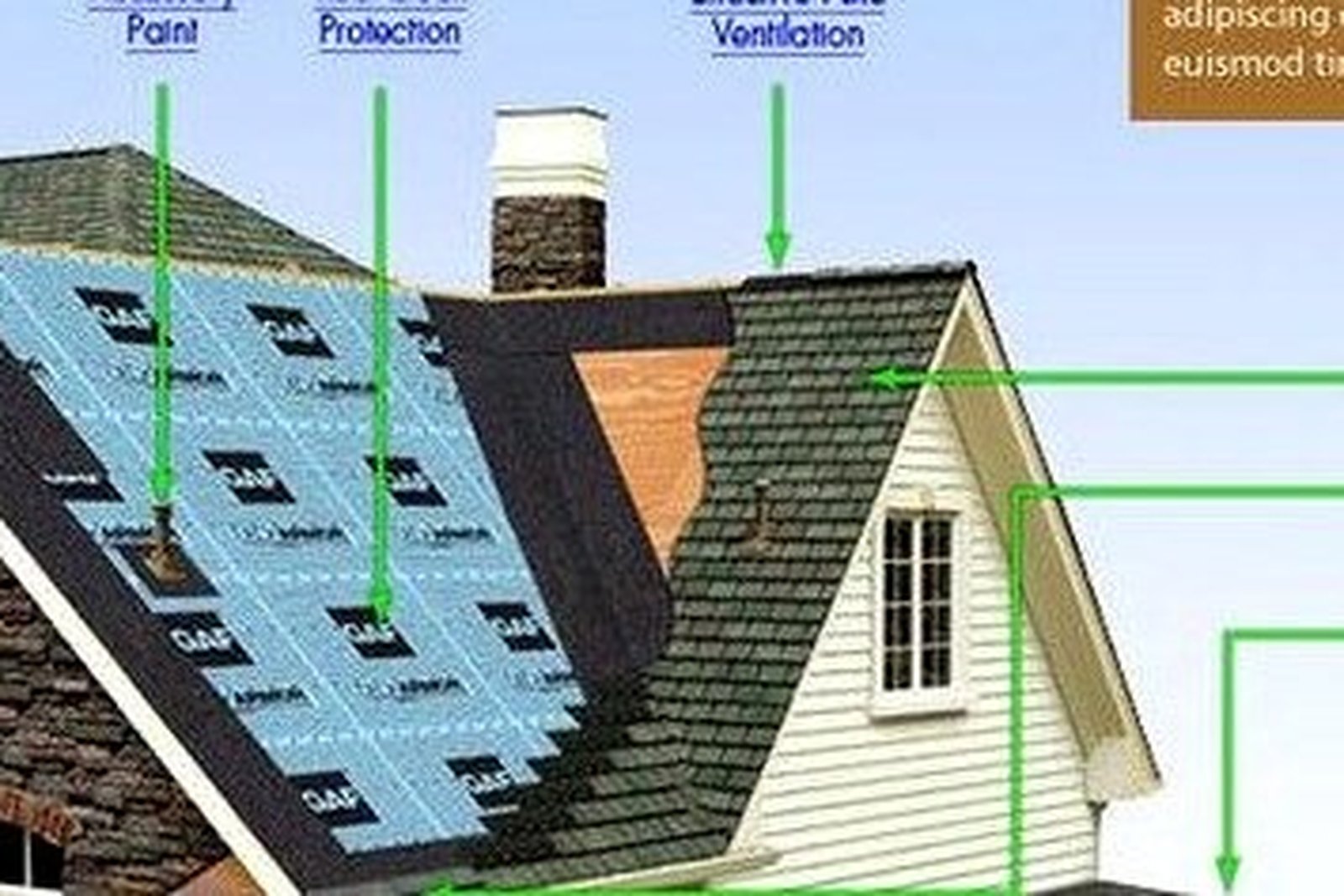
Your roof isn't shingles. It's a six-layer engineered system. When one layer is cheap, the whole system fails earlier. Here's what we install — and why each layer matters.
Plywood or OSB. If it's soft, wet, or delaminated, we tear it off — no contractor should install over compromised decking.
Peel-and-stick rubberized membrane at eaves, valleys, and around every penetration. New England code minimum is 3 feet — we install full eaves plus all valleys.
Replaces old felt paper. Tear-resistant, fast-draining, stable in heat. The secondary water barrier if a shingle ever lifts.
Adhesive starter row plus metal edge profile. Stops wind from lifting the first course. Cheap installs skip this — it's a 10-year mistake.
Premium shingles are heavier (more flexibility in cold) and wind-rated to 130+ mph. Class A fire-rated. We install GAF Timberline HDZ standard.
Continuous airflow that pulls hot, moist air out of the attic year-round. Without it, shingles cook in summer and ice dams form in winter.
Warning Signs
Roofs don't fail all at once. They fail quietly — in the attic, behind the flashing, beneath the shingles. By the time a homeowner sees the stain, repairs have already gotten more expensive.
Wind-driven rain finds the gap between curled shingles and the underlayment. From the ground it looks fine. From above, the seal strip has already failed.
Stains on rafters or insulation are the smoke alarm of roofing. Water is already inside, and the cost to fix grows once it reaches drywall, mold, or electrical.
Chimneys, skylights, and valleys depend on metal flashing. When seams age or pull away, water bypasses the shingles entirely — damage starts inside the wall.
If your attic isn't ventilated correctly, snow melts unevenly and refreezes at the eaves. Water backs up under the shingles and finds the deck.
Bad ventilation cooks the shingles from below, drops your insulation's R-value, and inflates your summer electric bill — a roof problem showing up as energy first.
The granules are the shingle's UV protection. Once they wash into your gutters, the asphalt below bakes, becomes brittle, and starts cracking.
The Cost of Waiting
A roof in early trouble is the cheapest version of itself you'll ever buy. Every season it waits, the bill grows — usually faster than homeowners expect.
Address Today
Replace failing seal strips, re-seat lifted shingles, re-flash the chimney, restore attic ventilation. Roof keeps its full remaining lifespan.
In 1–3 Years
Water has reached the deck in places. One slope or section must be torn off and rebuilt. Insulation likely compromised. New ventilation required.
In 4–7 Years
Whole roof system fails. Deck rebuilt. Drywall, paint, insulation, sometimes electrical replaced. Mold remediation likely. Insurance often disputes claims.
What Sets Us Apart
This is the difference between a roof that lasts the warranty and a roof that fails halfway through. Compare what's standard on a typical install — and what's standard on every Alpine Roofing & Contracting roof.
The Homeowner's Roofing Field Guide
No jargon, no sales pitch — just the real engineering behind a quality roof. Explore how ventilation, materials, structure, and installation work together. The more you know, the better the decision you'll make.
Roof Ventilation Systems
Cool, fresh air enters at the soffits (intake) and warm, moist air escapes at the ridge (exhaust). That continuous airflow prevents ice dams, pulls heat out in summer, stops moisture and mold in winter, and can add 5–7 years to shingle life.
Located in the eaves. Lets cool outside air enter the attic.
Runs along the peak. Lets warm, moist air escape. The gold standard.
Set in gable ends. Can serve as intake or exhaust depending on design.
Box-style vent that exhausts hot air and moisture from the roof field.
Powered exhaust. Only use with adequate intake or it pulls air from the house.
IRC Ventilation Requirements
1/150 rule — 1 sq ft of net free vent area for every 150 sq ft of attic floor (balanced intake + exhaust).
1/300 rule — allowed when at least 50% of the venting is exhaust placed near the ridge.
Example · 1,500 sq ft attic → 10 sq ft total vent area (≈5 sq ft intake + 5 sq ft exhaust).
| Attic Size | 1/150 Rule | 1/300 Rule |
|---|---|---|
| 1,000 sq ft | 6.7 sq ft | 3.3 sq ft |
| 1,500 sq ft | 10.0 sq ft | 5.0 sq ft |
| 2,000 sq ft | 13.3 sq ft | 6.7 sq ft |
| 2,500 sq ft | 16.7 sq ft | 8.3 sq ft |
Split total vent area roughly evenly between intake (soffit) and exhaust (ridge).
Roofing Materials Guide
The right material depends on your budget, your home's style, the roof slope, the climate, and how long you plan to stay. Quality materials plus proper installation are what actually deliver the lifespan on the label.
Fiberglass shingles with a protective granule surface — the most popular residential roof.
Best for Most residential homes with pitched roofs.
Natural wood shingles or shakes with a classic, rustic, high-end appearance.
Best for High-end homes, cabins, historic properties.
Steel or aluminum panels with concealed fasteners and clean vertical seams.
Best for Snowy regions, modern designs, cabins, coastal areas.
Natural stone roofing prized for unmatched durability and timeless beauty.
Best for Historic & luxury homes, long-term investments.
Synthetic rubber membrane ideal for flat or low-slope roofs.
Best for Flat/low-slope roofs, garages, additions.
Heat-weldable membrane with a reflective surface for energy efficiency.
Best for Flat/low-slope commercial & energy-efficient projects.
Notes for the New England climate
Choose materials that handle freeze/thaw cycles, heavy snow loads, high winds, and moisture. Proper underlayment, ventilation, and ice & water protection matter more than the shingle itself — and snow guards are worth it on metal roofs above entrances, walkways, and driveways.
Roofing Structure & Components
Water shedding, water barrier, structural support, and ventilation all work together. Weak or missing components are where leaks start. Hover or tap a layer to see what it does.
Cover the ridge and hip lines, shedding water and protecting the ridge vent.
The primary weatherproofing layer — protects the deck from rain, wind, UV, and impact.
A secondary water-resistant barrier over the deck. Tear-resistant and heat-stable.
Self-adhering membrane at eaves, valleys, and penetrations — stops ice-dam and wind-driven leaks.
Plywood or OSB — the structural foundation and nailing surface for everything above.
The framework that supports the deck and transfers wind, snow, and weight loads to the walls.
Keeps conditioned air in and works with ventilation to manage attic temperature and moisture.
The finished interior surface — the first place a hidden roof leak eventually shows up.
Metal flashing at eaves & rakes that directs water into the gutters and protects the fascia.
Metal in the valleys where two roof planes meet — channels high water volume off the roof.
Stepped metal at roof-to-wall joints, sealed into chimney mortar to keep water out.
Flexible flashing that seals around plumbing vent pipes — a top source of slow leaks.
Pro tip. Never rely on caulk or sealant as the primary waterproofing method. Proper flashing and system components are what keep water out for decades.
The Proper Installation Process
A roof is only as good as its installation. This is the sequence every Alpine Roofing & Contracting roof follows — the same process that separates a roof that lasts the full warranty from one that fails halfway through.
Protect landscaping, siding, windows, and driveways. Set up safety equipment and dumpsters.
Remove old shingles, underlayment, and flashing down to the deck. Never roof over old shingles.
Check for soft spots, rot, and water damage. Replace rotted decking so the base is solid and dry.
Run drip edge along all eaves first to shed water into the gutters and protect the fascia.
Apply self-adhering membrane at eaves, valleys, and around every penetration (min. 24" inside the wall line).
Lay synthetic underlayment over the field, overlapping courses per the manufacturer.
Starter shingles at eaves and rakes seal the edge and add the first layer of wind protection.
Shingle from the bottom up following the nailing pattern, exposure, and offset the maker specifies.
Step flashing at walls, counter flashing on chimneys, valley flashing sealed — never caulk alone.
Install pipe boots on plumbing vents and roof vents per the ventilation plan, sealed and fastened.
Continuous ridge vent at the peak with verified soffit intake — and never block the airflow.
Ridge cap shingles over the vent, overlapped per spec and nailed high on each side.
Remove all debris and old nails, magnetic-roll the yard and driveway, clean the gutters.
Inspect every detail — nailing, sealing, alignment — and confirm the whole system is watertight.
Walk you through the project, review warranty and care, register coverage, and get final approval.
Installation best practices
Follow manufacturer instructions and local code exactly. Install a complete roof system, not just shingles. Keep the deck dry and clean, ensure proper ventilation, and stand behind the work with a real warranty.
Mistakes that void warranties
Skipping ice & water shield · improper nailing (over/under-driving) · reusing old flashing · poor underlayment overlap · blocking soffit or ridge vents · installing on wet roofs · leaving debris or nails behind.
Want this done right on your home? We install every roof to exactly this standard.
Get a Free Roof QuoteManufacturer Partners
We're certified by the manufacturers we install. That means access to premium product lines, factory-trained installation, and the strongest warranties homeowners can get.
Our Roofing Process
Five clear steps. No sales pressure. You're in control at every stage.
15-minute call to understand your roof, your concerns, and your goals. No appointment pressure.
Full roof, ventilation, flashing, attic assessment. Photo report — yours to keep, regardless of what you decide.
Detailed written plan with material options, timeline, and fixed price. No surprise upsells later.
Most residential roofs done in 1–2 days. Daily cleanup, magnetic nail sweep, progress photos.
Final walkthrough with you. GAF warranty registered. 25-year workmanship guarantee in writing.
25-Year Workmanship Warranty
Here's why that matters: manufacturer warranties cover the shingle. But 80% of premature roof failures aren't shingle failures — they're install failures. Bad ventilation, missed ice & water, improper nailing, sloppy flashing. The workmanship warranty is the one that actually protects you.
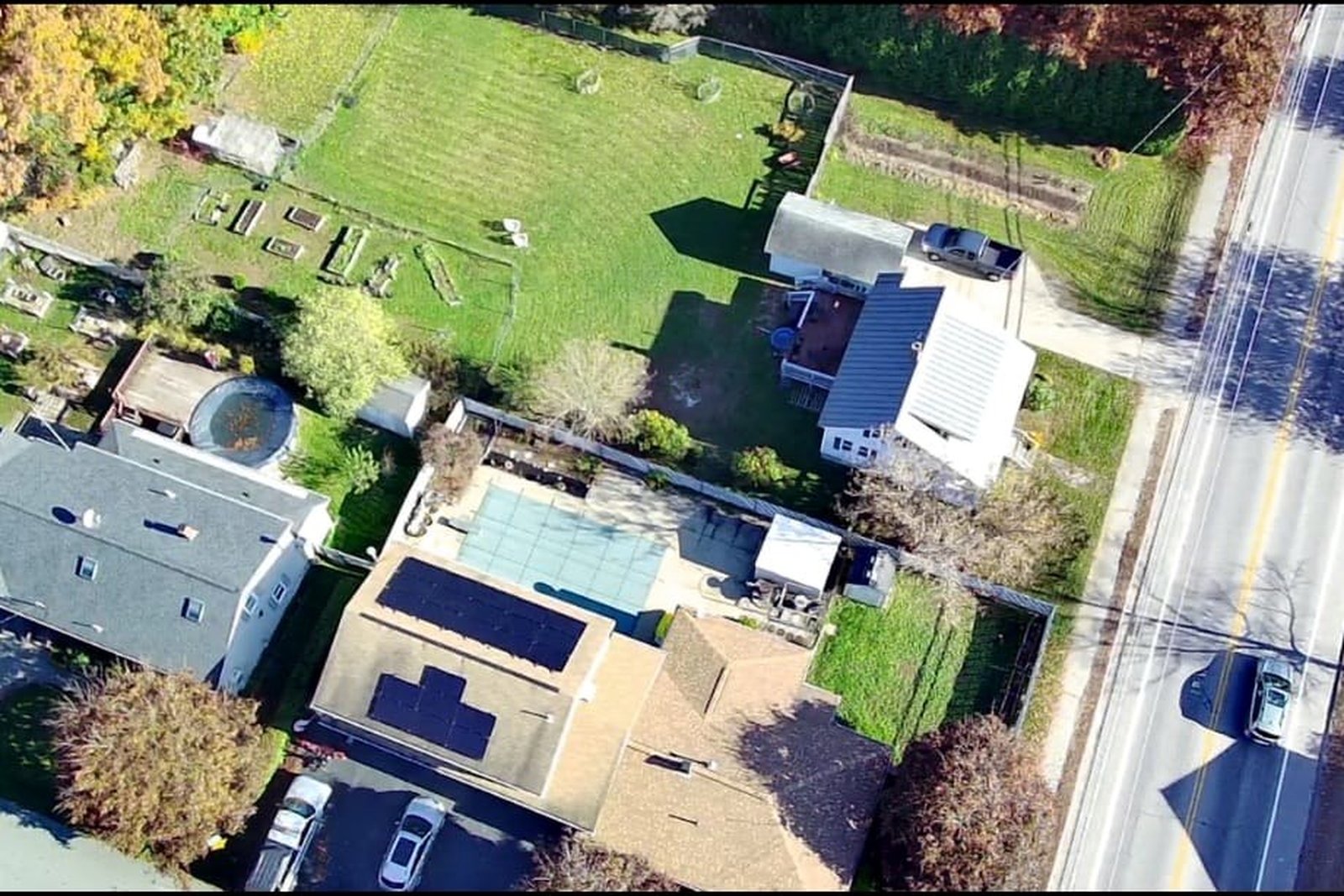
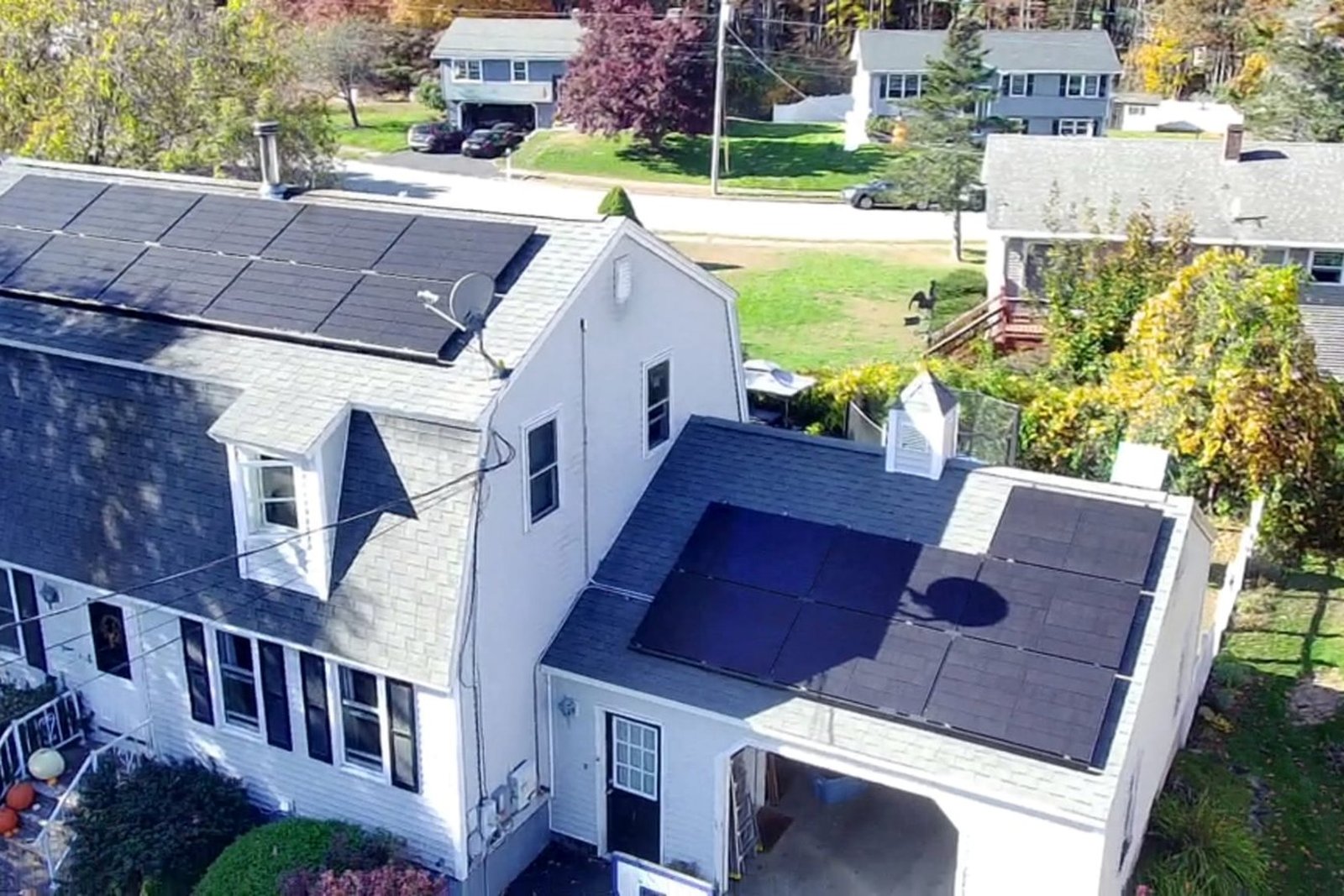
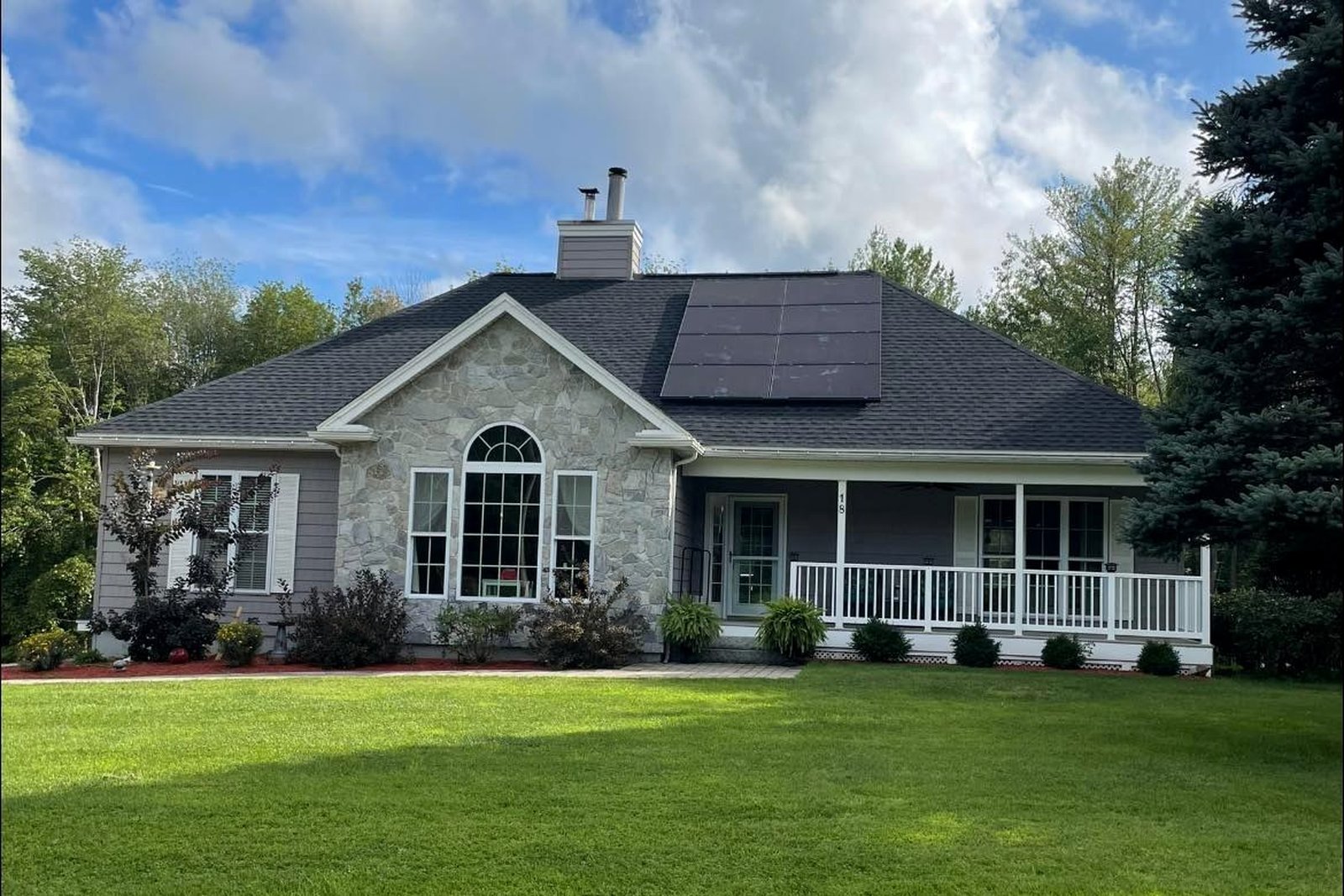
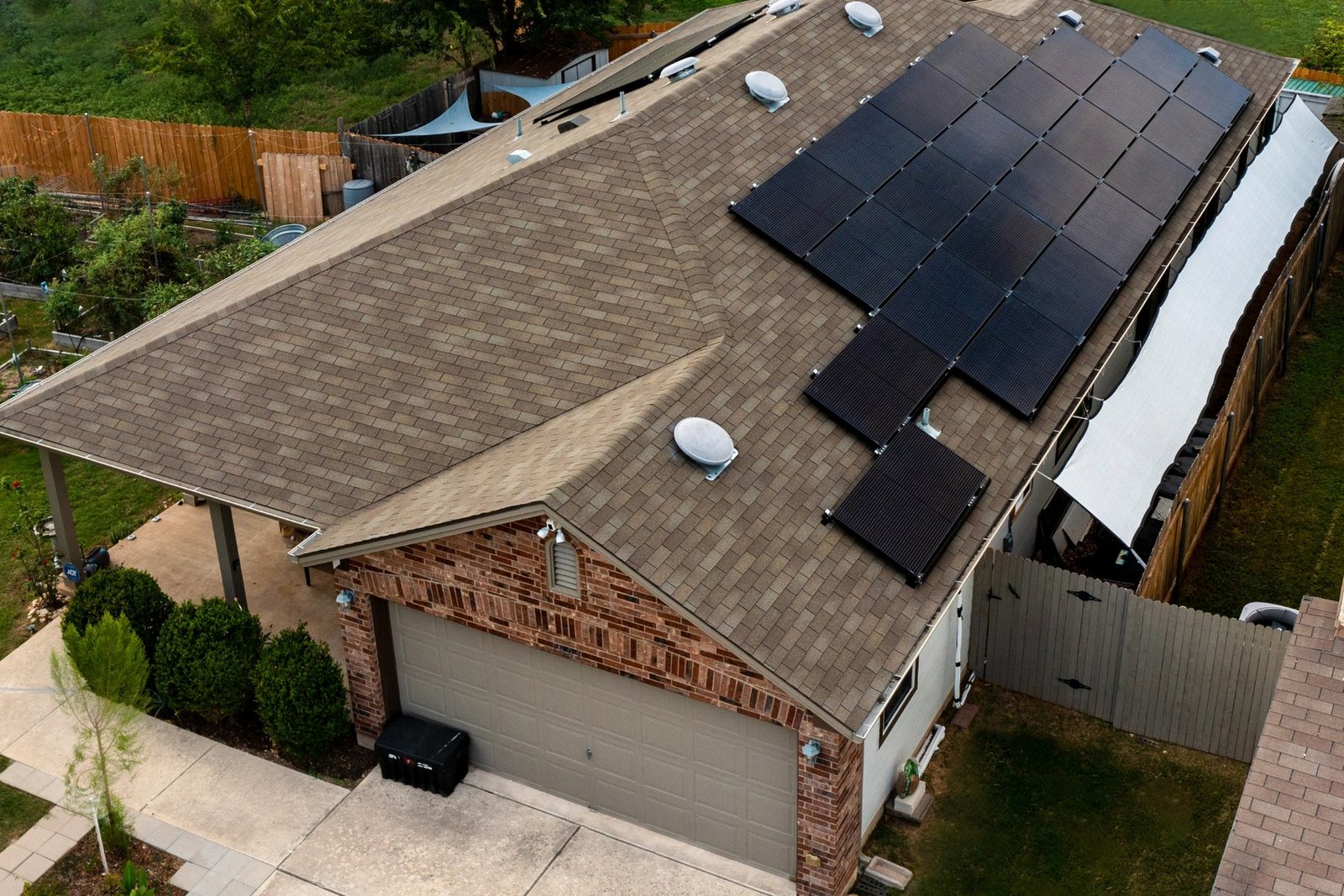
Recent Roofing Projects
Each project documented with photos, materials list, and homeowner feedback. Browse what's possible.
Roofing FAQ
Age is the first signal — most asphalt roofs in New England last 18–25 years. But condition matters more: curling shingles, granule loss in gutters, attic water staining, or visible sagging. The honest answer requires a written inspection with photos — not a sales pitch. We provide that for free.
Most residential roofs are done in 1–2 days. Larger or steeper roofs may take 3 days. We always confirm the timeline before we start, and you'll have daily progress photos.
Both are free. You'll get a written, photo-documented inspection report and a fixed-price quote. No deposit required to book. You pay when the work is done.
The manufacturer warranty covers the shingle itself. The workmanship warranty covers the install. About 80% of premature roof failures are install issues — bad ventilation, missed ice & water, improper nailing. The workmanship warranty is the one that actually protects you. Ours is 25 years.
Yes. We document storm damage thoroughly, meet adjusters on-site, and have helped hundreds of New England homeowners get fair claim outcomes. We don't inflate claims — we just make sure the actual damage is fully covered.
Yes. If a repair or ventilation upgrade will get you another 5–10 years out of your existing roof, that's what we recommend. We've turned down jobs because the homeowner didn't actually need them. Our reputation depends on that.
GAF (we're Golden Pledge® certified), CertainTeed (SELECT ShingleMaster), Owens Corning (Preferred Contractor), and Velux for skylights. We're certified by every manufacturer we install, which means stronger warranties for you.
Flexible Financing
We offer flexible financing so you can protect your home now and pay over time. Most homeowners qualify for low monthly payments with no money down — and 0% APR options are available for qualified buyers.
Financing subject to credit approval. Terms vary. Ask us for full details during your free inspection.
Free Roof Inspection
Tell us about your roof. We'll respond the same day, inspect on your schedule, and hand you a written photo report — whether or not you hire us. No pressure, ever.
Ready to Start?
Same-day response. No pressure. We'll give you an honest read on your roof's condition — and a fixed-price quote you can take your time with.